

Blue Origin Expands Partnership with Air Force Research Laboratory to Access Advanced Rocket Engine Technology
Blue Origin and the Rocket and Space Propulsion Division of the Air Force Research Laboratory (AFRL) at Edwards Air Force Base announced an expanded private-public partnership (PPP) to develop new rocket propulsion technologies. Together, they have signed a Cooperative Research and Development Agreement (CRADA) to transfer advanced rocket propulsion hardware and engineering artifacts from AFRL's historic Hydrocarbon Boost (HCB) and Integrated Powerhead Demonstrator (IPD) programs.
Decades ago, the HCB and IPD programs pioneered oxygen-rich and full-flow staged combustion technologies to advance liquid rocket propulsion capabilities in the U.S. Blue Origin will study this hardware and data to inform its commercial engine development.
"This new CRADA expands our partnership with AFRL as we work to develop next-generation rocket propulsion technologies," said Nicholas Robertson, senior vice president of engines at Blue Origin. "Studying these historic and technical artifacts grounds our engineering models in real government research."
In addition to this CRADA, Blue Origin and AFRL continue to collaborate to test and mature the BE-7 lunar lander rocket engine at Area 1-42 High Altitude Rocket Test Facility, a key national test asset located at AFRL Edwards. The BE-7 is a dual-expander cycle engine that delivers high specific impulse and deep throttling capabilities, making it ideal for carrying large payloads to the Moon.
"Our critical mission is to discover, develop, and deliver high-risk, high-payoff rocket, missile, and spacecraft propulsion technologies to support national security," said Dr. Javier Urzay, chief of AFRL’s Rocket and Space Propulsion Division. "This enduring PPP and the material transfer from the HCB and IPD programs to our strong commercial space partner Blue Origin ensure a continuous legacy of the science and technology investments we make to yield tangible capabilities for the nation in broadening and maintaining U.S. strategic advantage in space."

Share
Latest Posts
- Sep 14, 2026
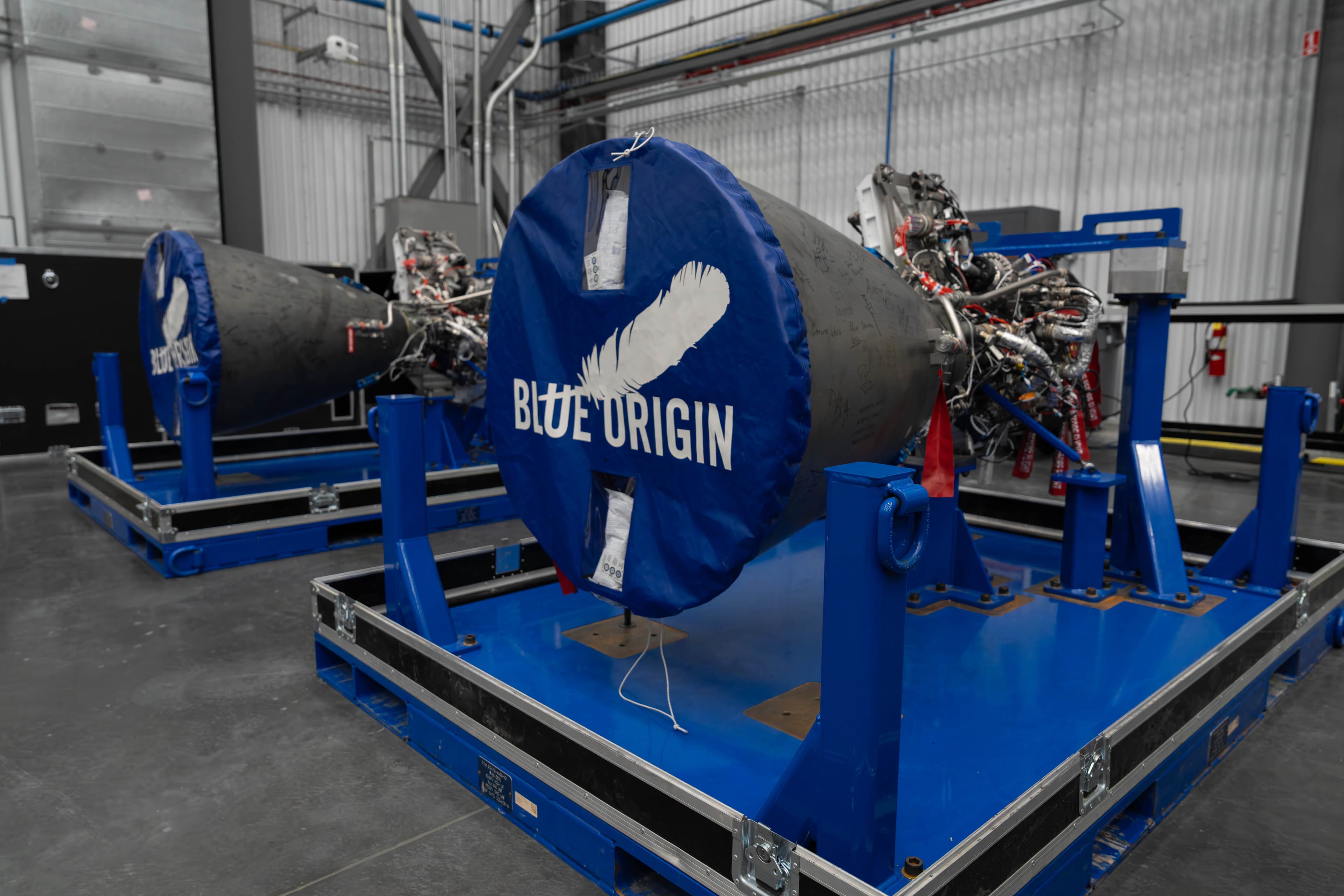 News
NewsBlue Origin Expands Partnership with Air Force Research Laboratory to Access Advanced Rocket Engine Technology
Blue Origin and the Rocket and Space Propulsion Division of the Air Force Research Laboratory at Edwards Air Force Base announced an expanded private-public partnership to develop new rocket propulsion technologies.
- Sep 2, 2026
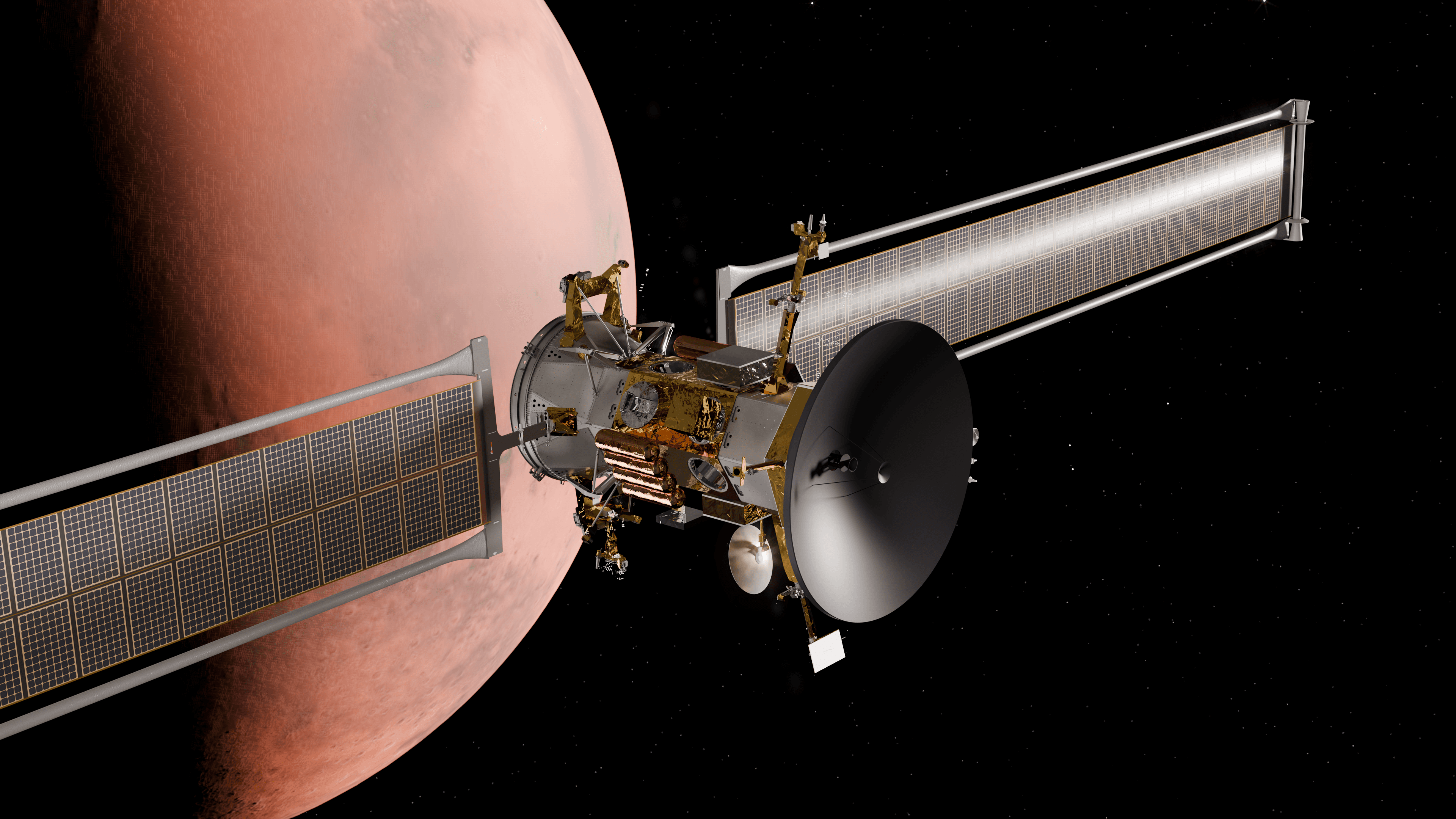 News
NewsBlue Origin Selected by NASA to Help Build America's Mars Telecommunications Network
Blue Origin has been selected by NASA to develop and deliver a Mars Telecommunications Orbiter as part of NASA's Mars Telecommunications Network.
- Aug 13, 2026
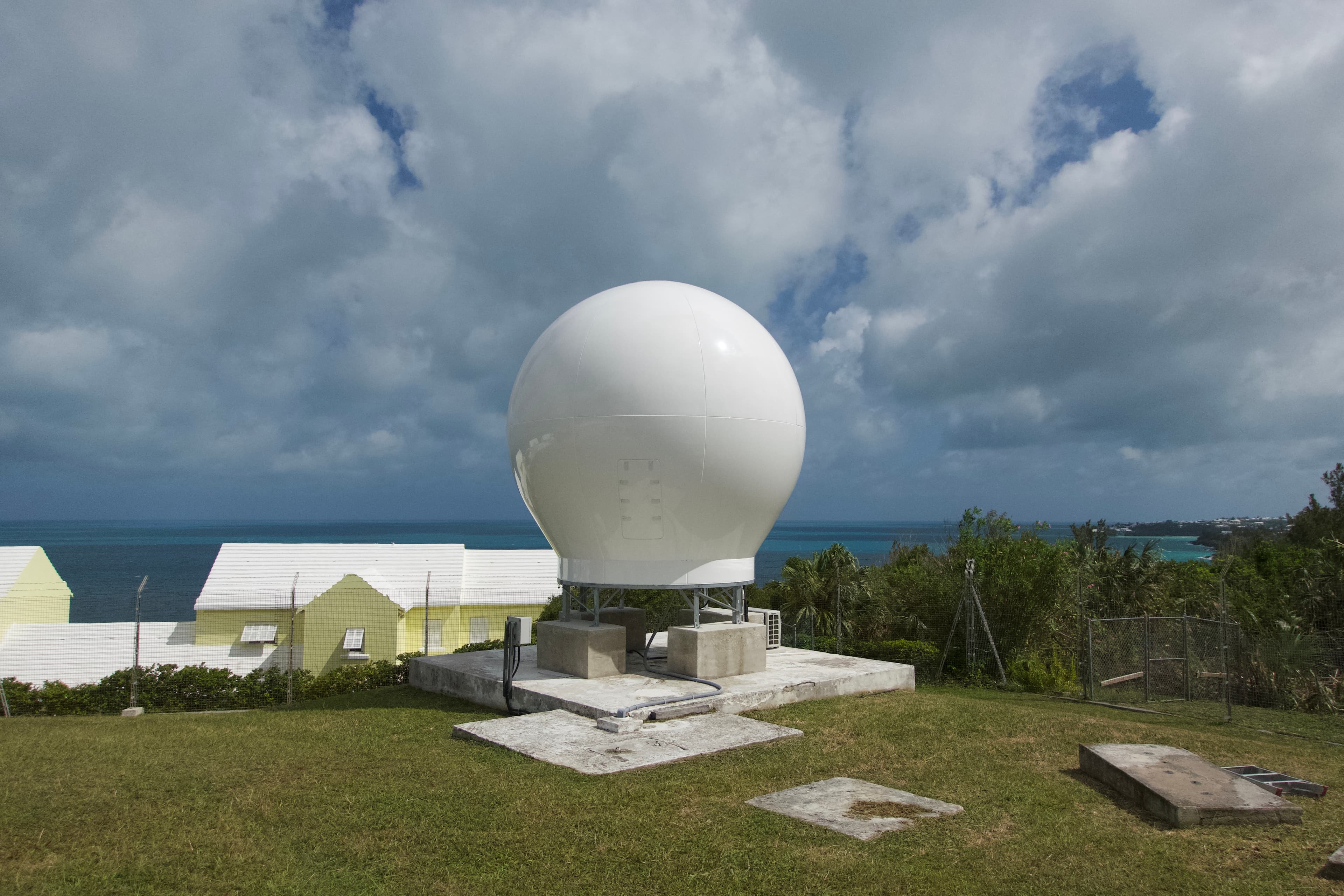 News
NewsBlue Origin Begins Global Rollout of Quartz Ground Station Network
Blue Origin's first three Quartz ground stations are installed and successfully tested as part of a phased global rollout extending across nine sites by the end of the year.