
Blue Origin Mission 9: Safe Escape In Any Phase of Flight
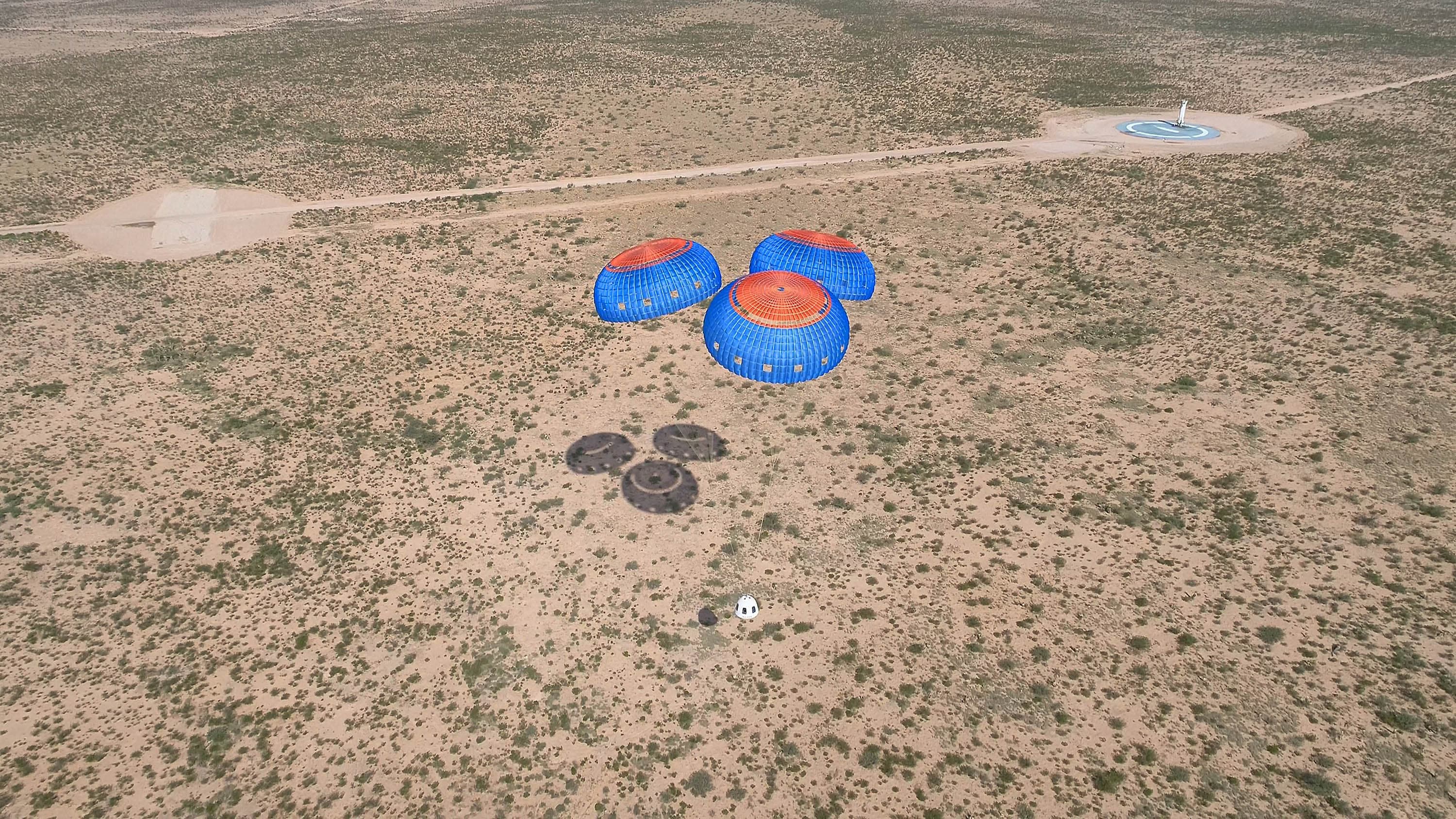
New Shepard flew for the ninth time on July 18, 2018. During this mission, known as Mission 9 (M9), the escape motor was fired shortly after booster separation. The Crew Capsule was pushed hard by the escape test and we stressed the rocket to test that astronauts can get away from an anomaly at any time during flight. The mission was a success for both the booster and capsule. Most importantly, astronauts would have had an exhilarating ride and safe landing.
This isn’t the first time we’ve done this type of extreme testing on New Shepard. In October of 2012, we simulated a booster failure on the launch pad and had a successful escape. Then in October of 2016, we simulated a booster failure in-flight at Max Q, which is the most physically strenuous point in the flight for the rocket, and had a completely successful escape of the capsule.
This test on M9 allowed us to finally characterize escape motor performance in the near-vacuum of space and guarantee that we can safely return our astronauts in any phase of flight.
Also on M9, New Shepard carried science and research payloads from commercial companies, universities and space agencies. Learn more about the payloads on board.
You can also view the full replay of M9 on YouTube.
Until our next test launch, Gradatim Ferociter!
Share
Latest Posts
- Sep 14, 2026
 News
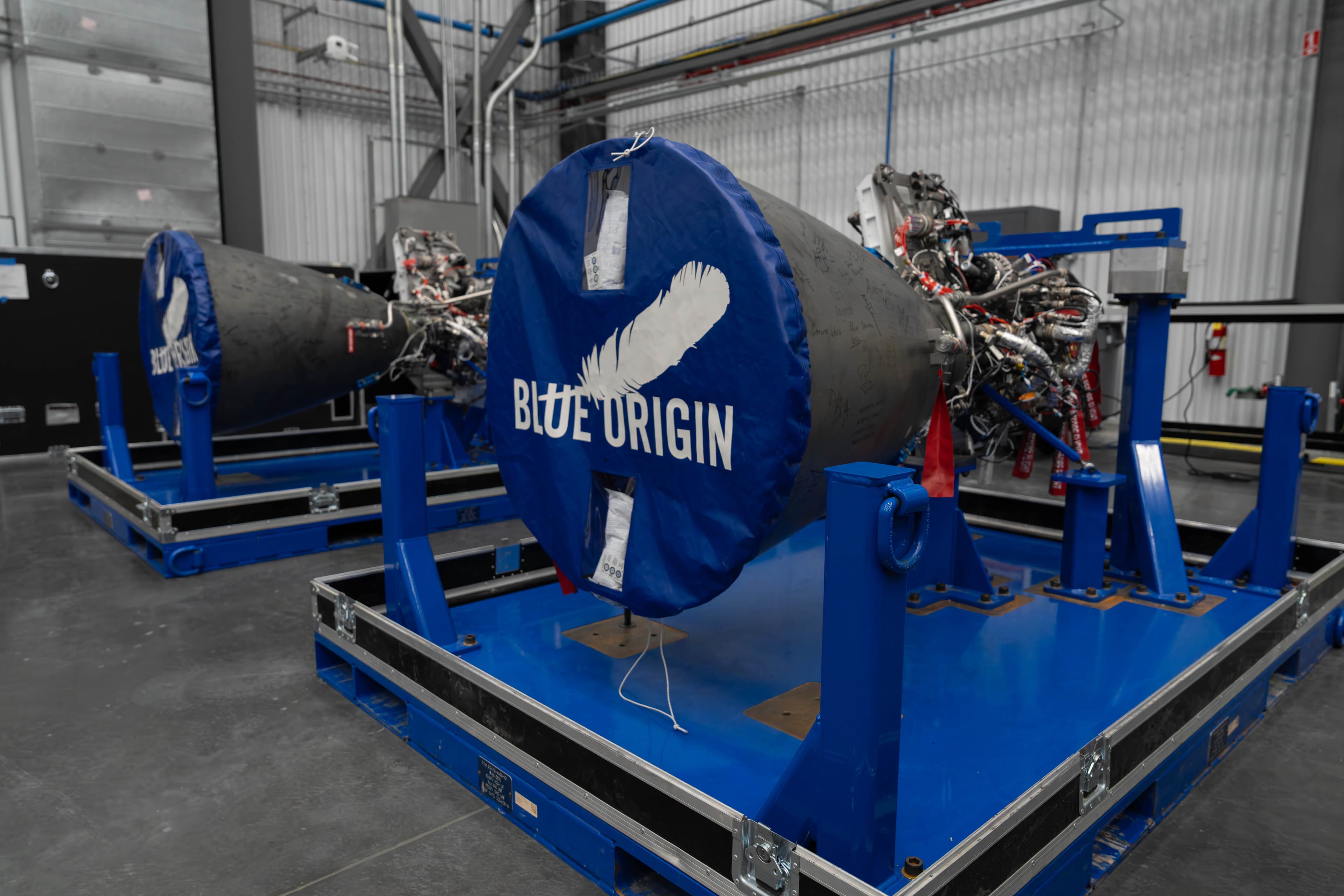
NewsBlue Origin Expands Partnership with Air Force Research Laboratory to Access Advanced Rocket Engine Technology
Blue Origin and the Rocket and Space Propulsion Division of the Air Force Research Laboratory at Edwards Air Force Base announced an expanded private-public partnership to develop new rocket propulsion technologies.
- Sep 2, 2026
 News
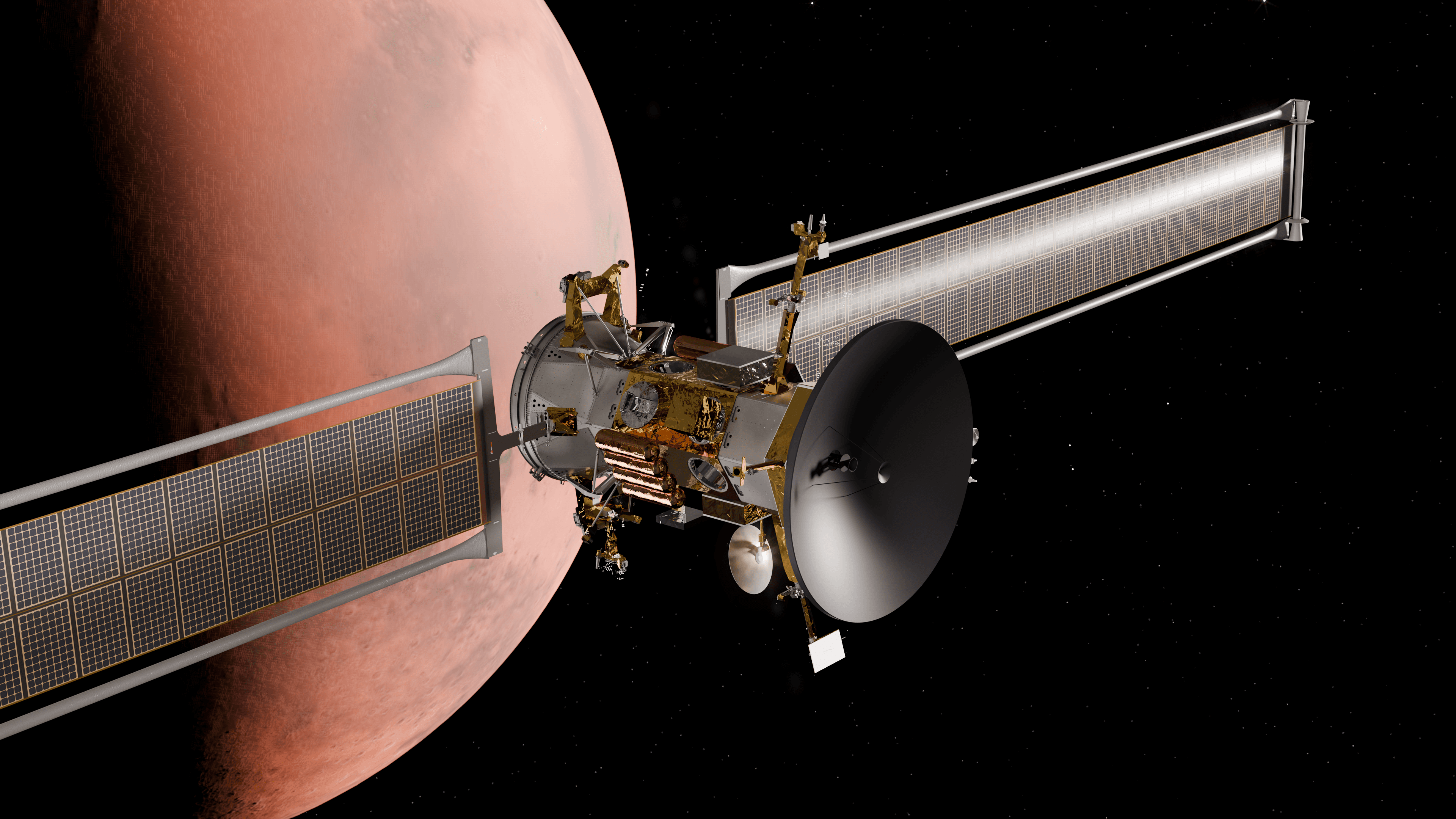
NewsBlue Origin Selected by NASA to Help Build America's Mars Telecommunications Network
Blue Origin has been selected by NASA to develop and deliver a Mars Telecommunications Orbiter as part of NASA's Mars Telecommunications Network.
- Aug 13, 2026
 News
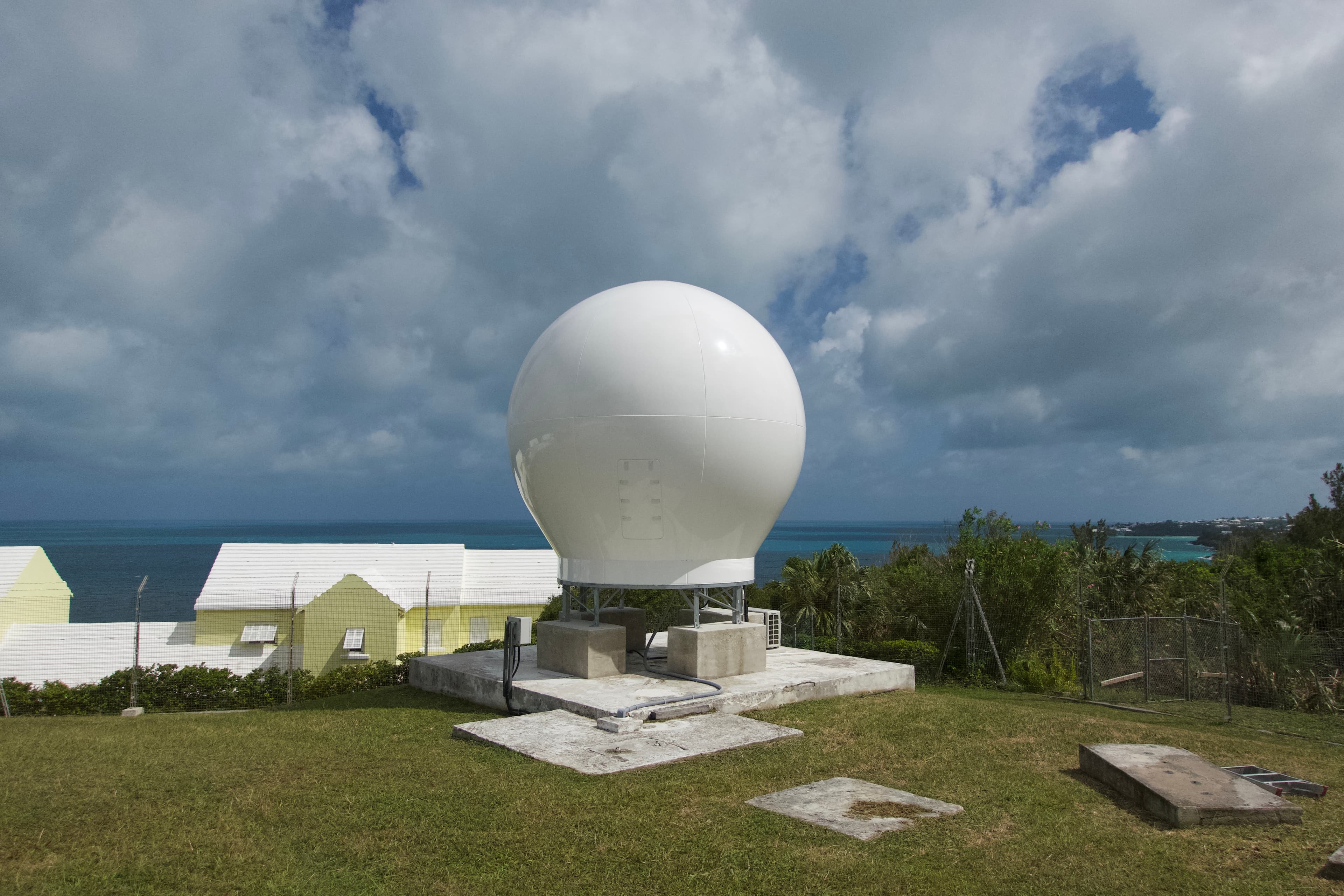
NewsBlue Origin Begins Global Rollout of Quartz Ground Station Network
Blue Origin's first three Quartz ground stations are installed and successfully tested as part of a phased global rollout extending across nine sites by the end of the year.