

NASA Selects Blue Origin’s New Glenn Rocket for Launch Services Catalog
Today, NASA awarded Blue Origin a NASA Launch Services II (NLS II) Indefinite Delivery Indefinite Quantity (IDIQ) contract to launch planetary, Earth observation, exploration, and scientific satellites for the agency aboard New Glenn, Blue Origin’s orbital reusable launch vehicle. The contract allows Blue Origin to compete for missions through Launch Service Task Orders issued by NASA. Project managers at NASA Centers around the country can now design spacecraft to take advantage of New Glenn’s unique seven-meter fairing and heavy-lift performance for a broad range of missions.
“We are proud to be in NASA’s launch services catalog and look forward to providing reliable launches for future NASA missions aboard New Glenn for years to come. The award builds on Blue Origin’s existing partnership with NASA and will advance science and exploration to benefit Earth,” said Jarrett Jones, senior vice president, New Glenn, Blue Origin.
New Glenn is a single-configuration, operationally reusable heavy-lift launch vehicle powered by seven BE-4 liquefied natural gas rocket engines. The vehicle’s seven-meter fairing provides more than double the usable volume of any existing launch vehicle.
Share
Latest Posts
- Sep 14, 2026
 News
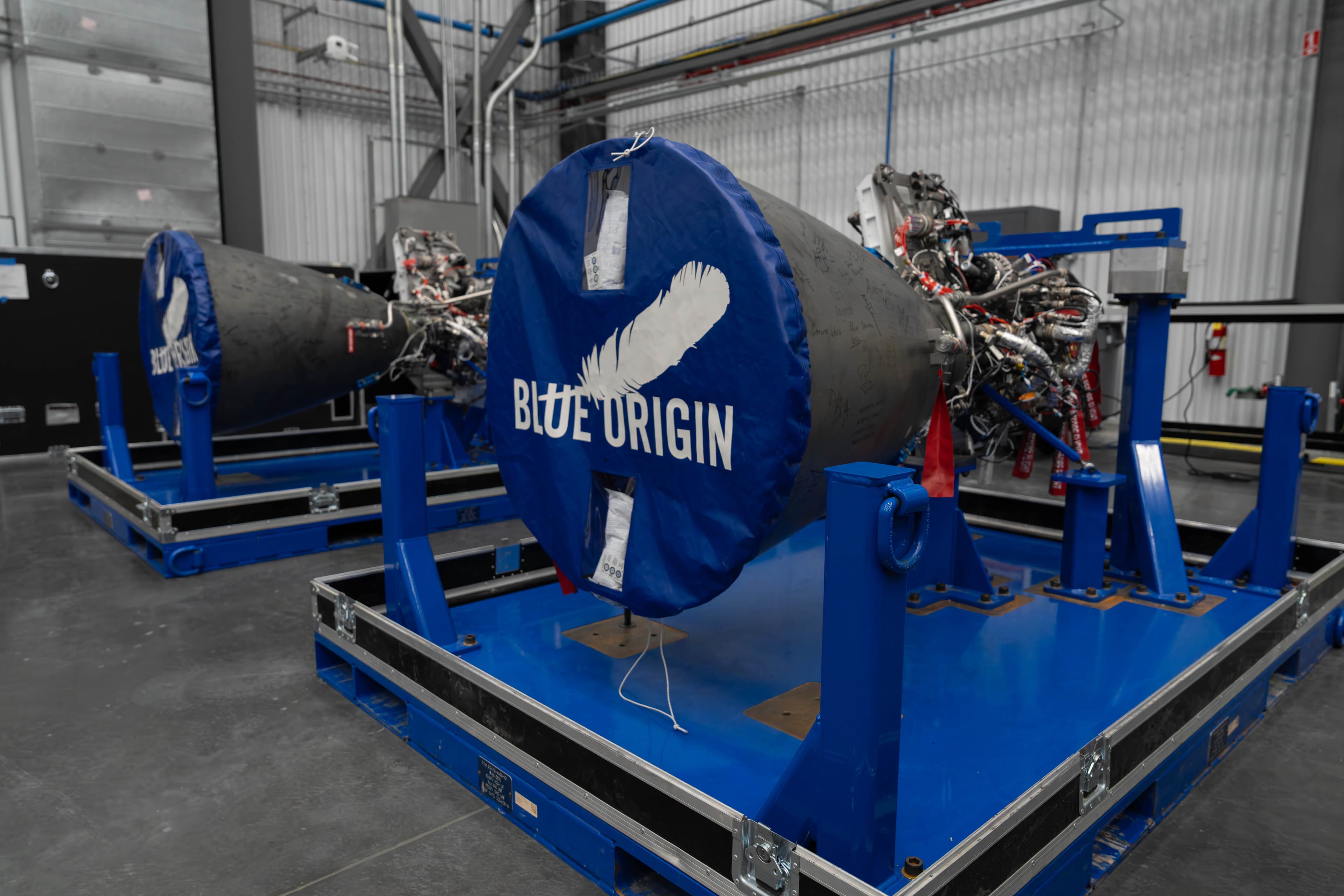
NewsBlue Origin Expands Partnership with Air Force Research Laboratory to Access Advanced Rocket Engine Technology
Blue Origin and the Rocket and Space Propulsion Division of the Air Force Research Laboratory at Edwards Air Force Base announced an expanded private-public partnership to develop new rocket propulsion technologies.
- Sep 2, 2026
 News
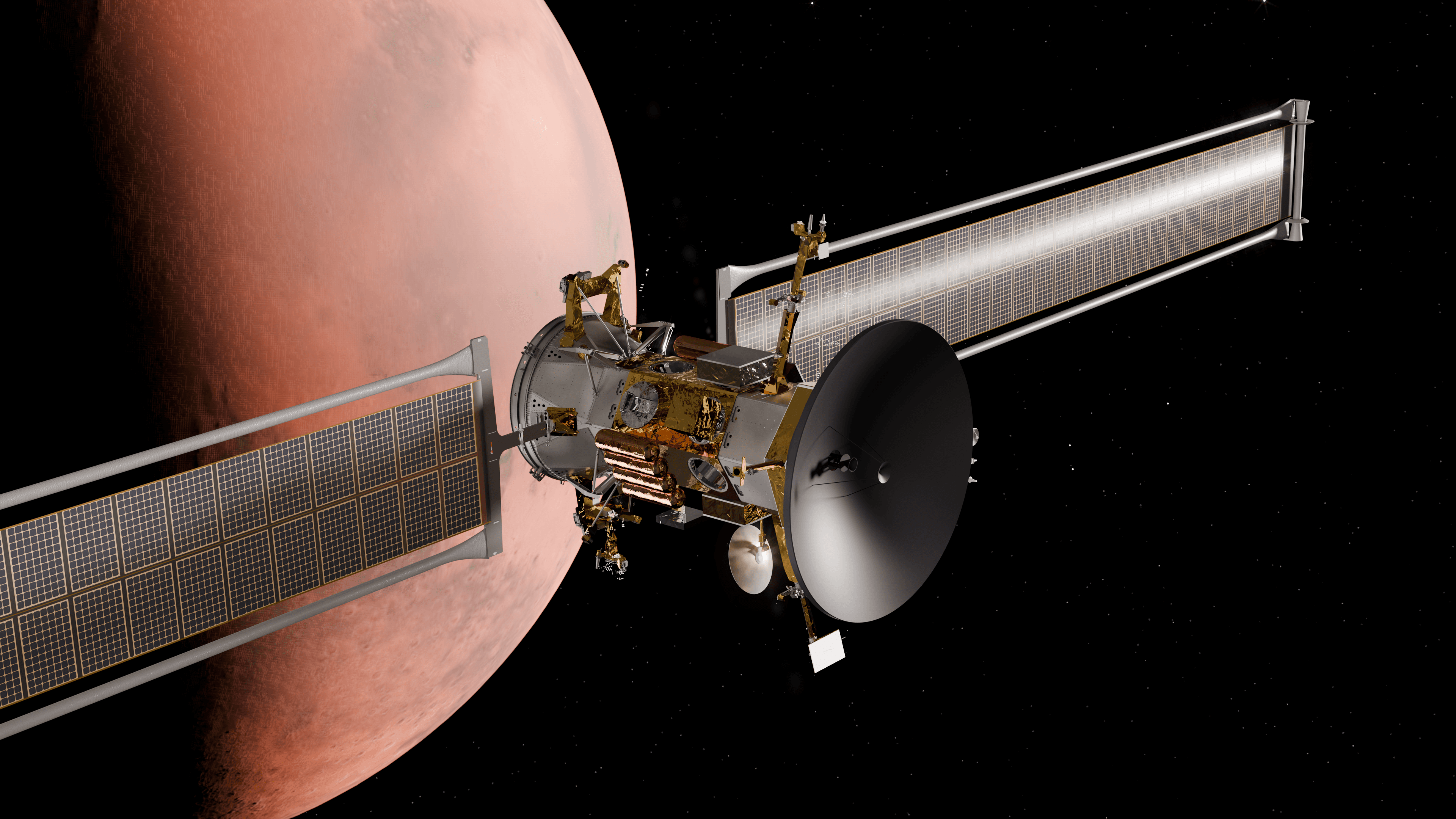
NewsBlue Origin Selected by NASA to Help Build America's Mars Telecommunications Network
Blue Origin has been selected by NASA to develop and deliver a Mars Telecommunications Orbiter as part of NASA's Mars Telecommunications Network.
- Aug 13, 2026
 News
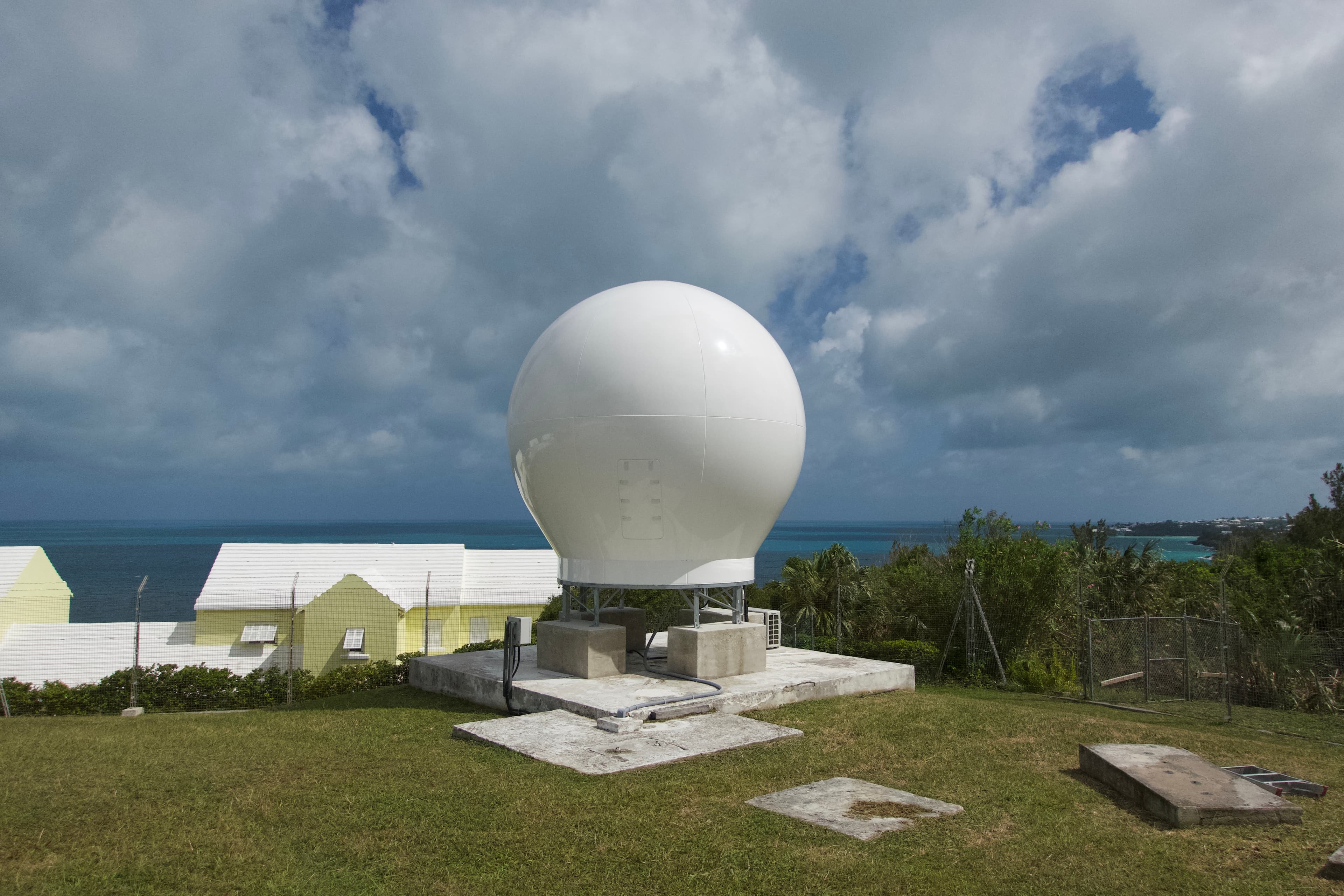
NewsBlue Origin Begins Global Rollout of Quartz Ground Station Network
Blue Origin's first three Quartz ground stations are installed and successfully tested as part of a phased global rollout extending across nine sites by the end of the year.